Your business first
Understand the people, processes and commitments behind the decision. Agree what a useful solution needs to do.
We believe people should be able to improve the systems they depend on—even when goals compete. Technology earns its place when it helps them take a useful next step.
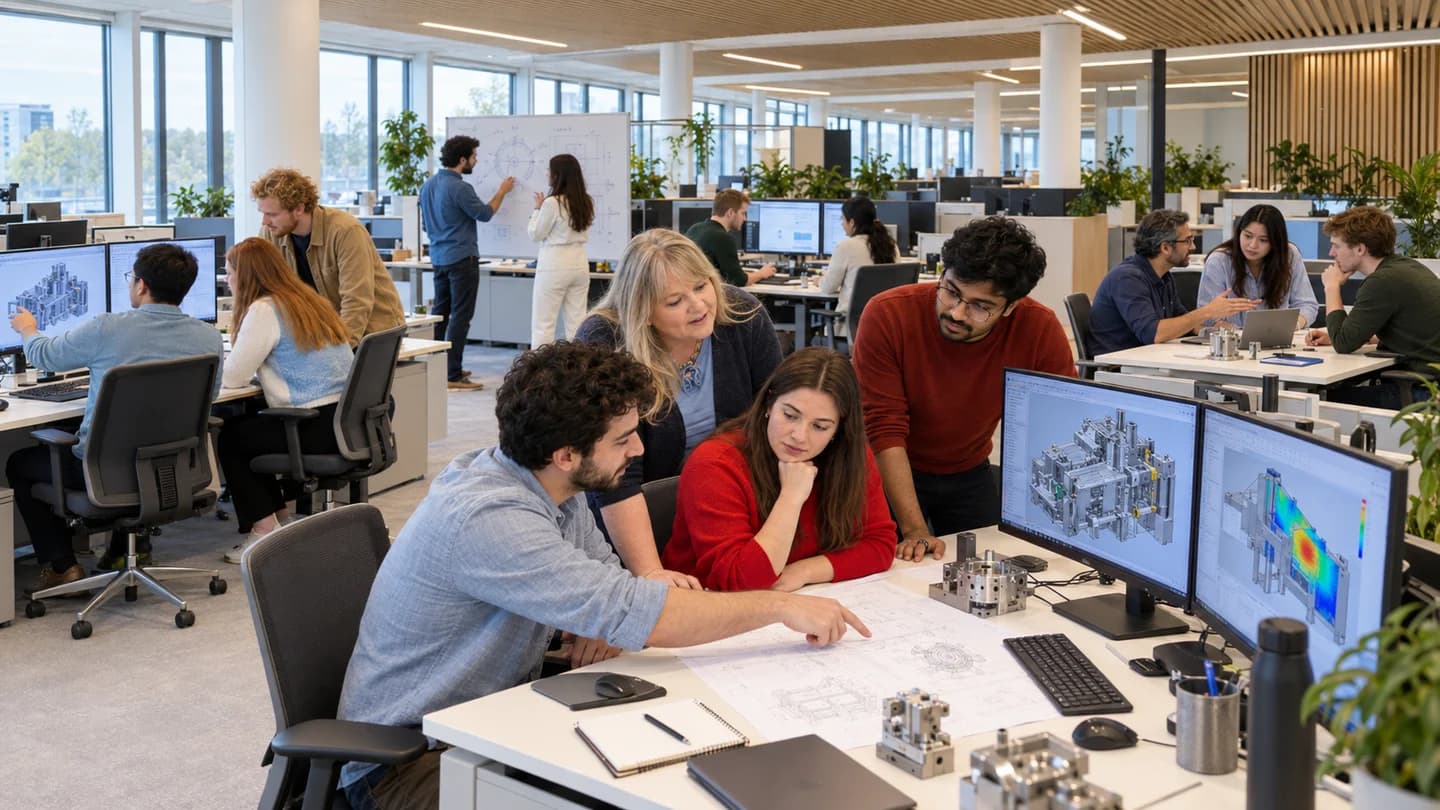
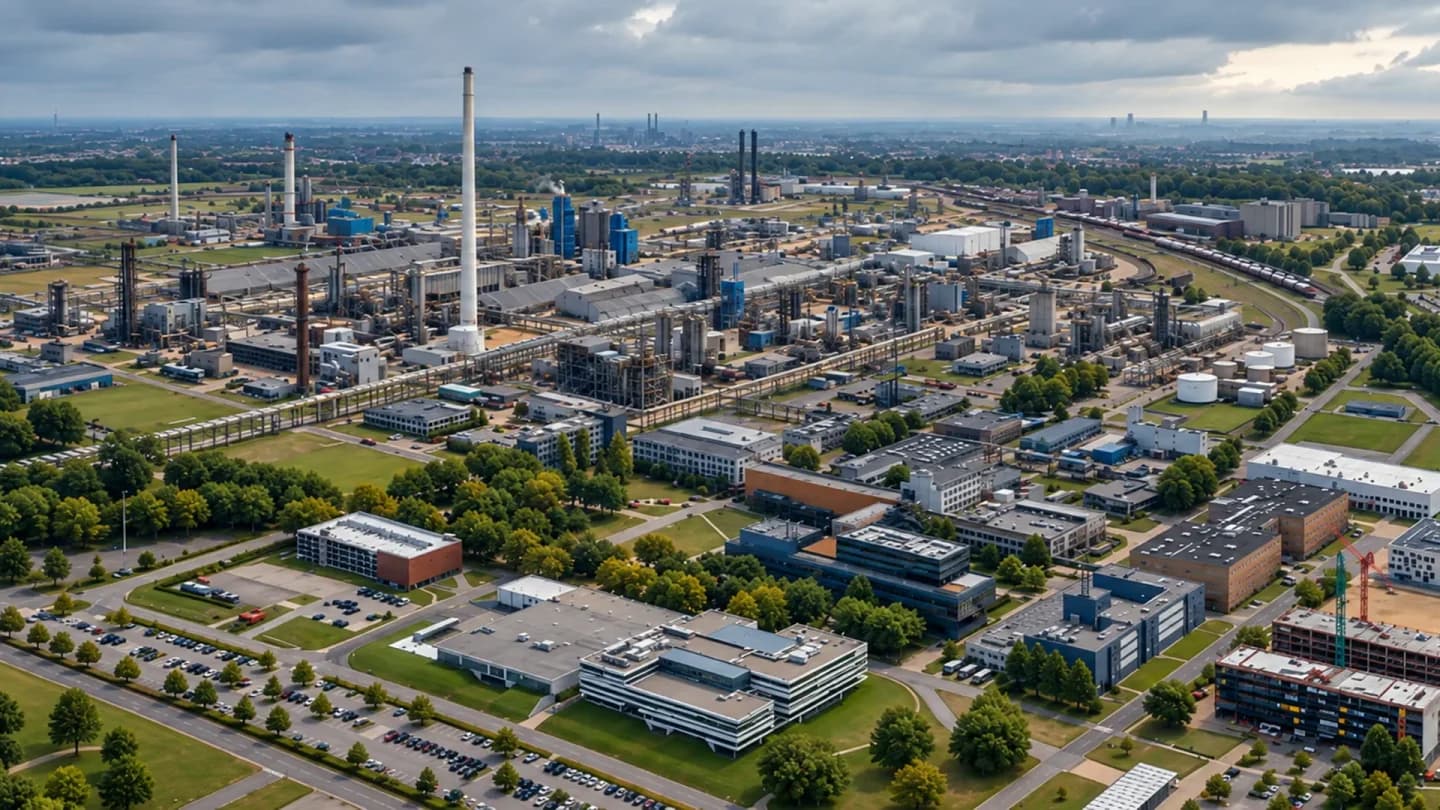
The idea began with optimising industrial production processes—balancing competing goals within real operating limits.
During COVID-19, we brought that approach to hybrid work and founded Tech2Change.
Connecting the people, resources and priorities behind a decision.
Applying that understanding to each business's needs.
An idea from 2015. A company since 2020.
The idea behind Tech2Change began in 2015 with industrial production process optimisation. When COVID-19 changed how companies worked, we brought that thinking to hybrid work. Founded in 2020, Tech2Change helped large companies adapt to a different way of working while accounting for their people, resources and commitments.
Expanding our offerings, our goal was to optimize the hard problems and challenges by harnessing the power of artificial intelligence. To achieve this, we assembled a team of specialists dedicated to leveraging AI capabilities to solve complex issues. One satisfied client at a time, we built our brand on innovation and understanding complex business challenges.
A system connects people, resources, processes and commitments. Changing one part affects others. The useful question is how to make progress while keeping what matters working.
We start by understanding what your people need to decide, how the business operates and which commitments must hold. We model the choices, explore scenarios and develop software around that reality.
Our current portfolio gives the approach a concrete form. Offilancer and MonoCircle apply the same care for decisions to workplace planning. Dynamic Zones and E-SPOT explore how workplace decisions and building energy use connect. Each has its own audience and stage.

Understand the people, processes and commitments behind the decision. Agree what a useful solution needs to do.
Model the choices, goals and dependencies together. Make the operating limits, assumptions and missing evidence visible.
Explore alternatives, optimise feasible choices and show where goals conflict. Help people understand what each option means for their operation.
Develop and adapt the application around your rules, systems and workflow. Validate it with your team and keep approval with the people responsible.
Your goals, processes and commitments
are where we start.